Championing sustainable design for over 50 years
We are profoundly aware of our responsibility as built environment professionals to help in addressing climate change and environmental crises. The urgency to act has never been greater. In doing so, we draw on over 50 years of inherently sustainable design practices, whilst remaining keenly aware of the need to constantly improve our approach.
Our commitment to sustainable design and working practices is formalised through memberships and accreditations such as Structural Engineers Declare, The Engineers Reuse Collective and our ISO 14001-accredited Environmental Management System.
We are constantly refining our approach to sustainability both in our professional work and the way we manage our business, with our Sustainability Associate collating project data, proactively advising on upholding our key principles and sharing the latest thinking across the firm.
Our approach
We have a longstanding commitment to find holistically sustainable design solutions, whether creatively adapting existing buildings and spaces or designing high-quality, low-impact new ones.
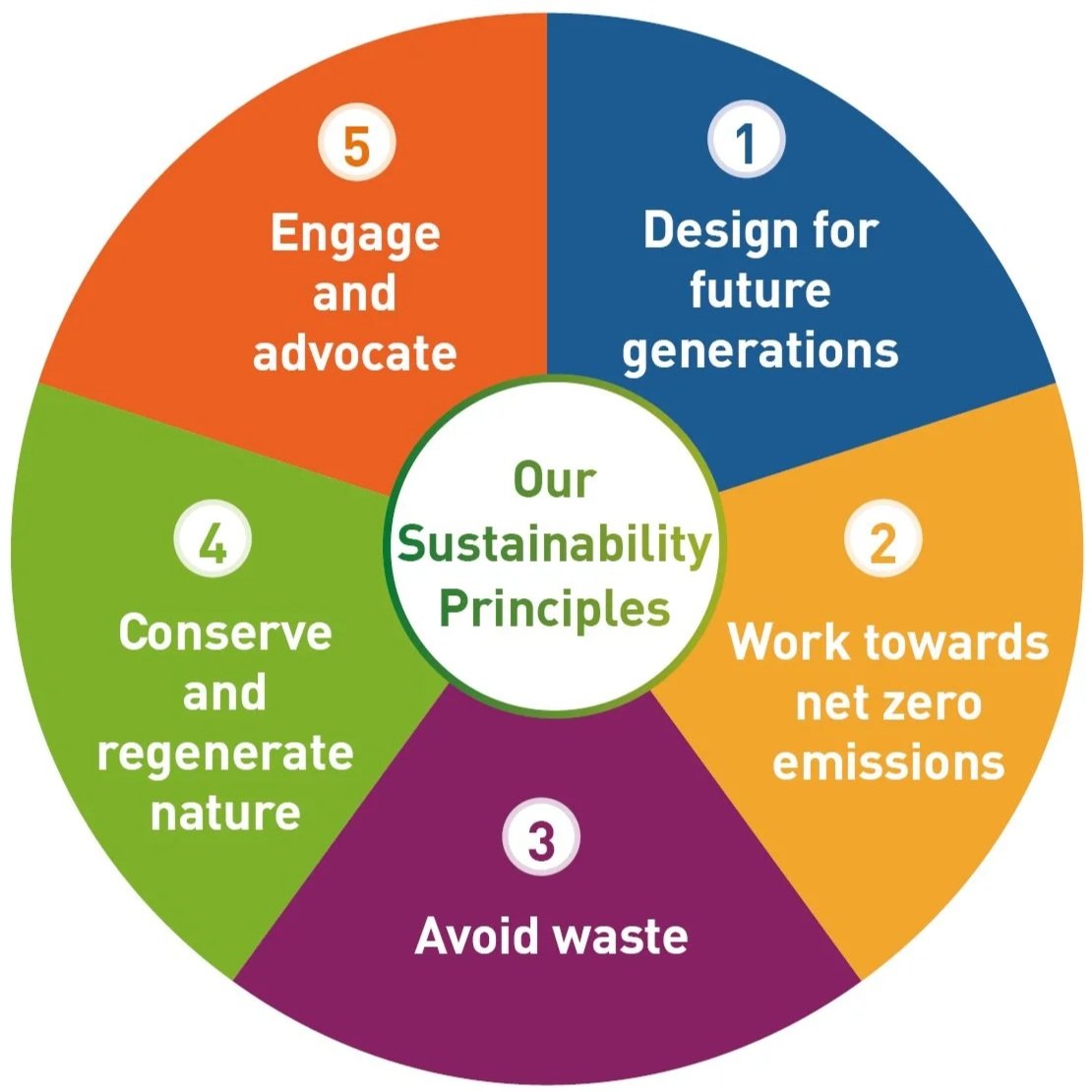
This approach is based on five key principles:
1. Design for future generations
2. Work towards net zero carbon emissions
4. Conserve and regenerate nature
These principles are consistent across all strands of our work, as structural and civil engineers, urban designers and heritage consultants.
Design for future generations
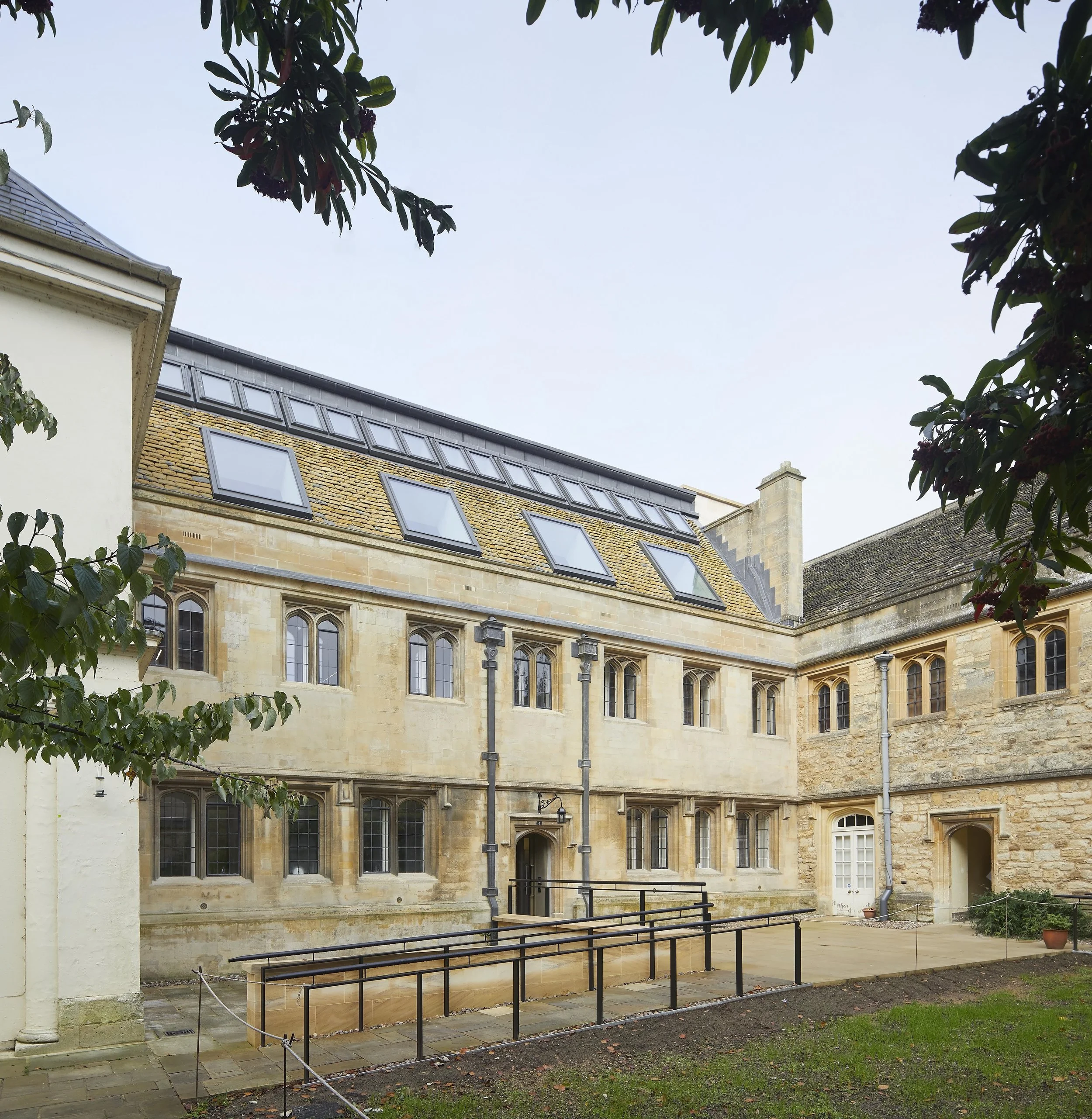
When working with existing buildings or designing new ones, a central principle is the same: to create a space that will be fit for purpose in the longer term, to meet the needs of current generations without compromising the ability of future generations to meet their needs. 80% of the buildings that exist today will exist in 2050, so they must be resilient, easily adaptable and maintainable for future generations.
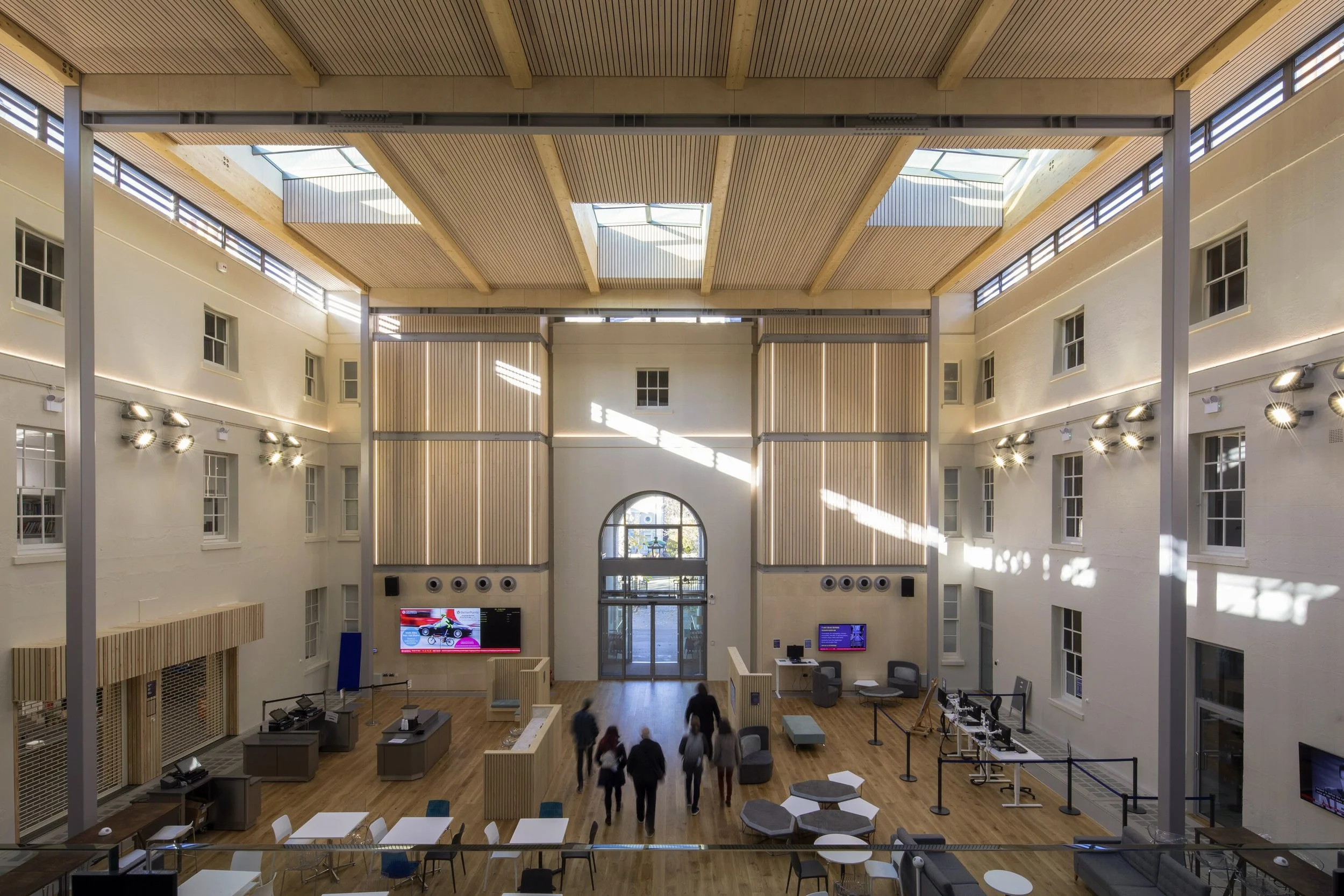
The diversity of historic structures we work with often embody the ‘long life, loose fit, low energy’ approach, having stood the test of time through their quality construction, adaptability to new uses and incorporation of passive design solutions.
Taking inspiration from this approach, we create high-quality buildings and places with inherent longevity through their quality, repairability, and climate resilience. Creating adaptable designs which prioritise the use of reusable materials will help future generations to avoid wasteful demolition.

Work towards net zero carbon emissions
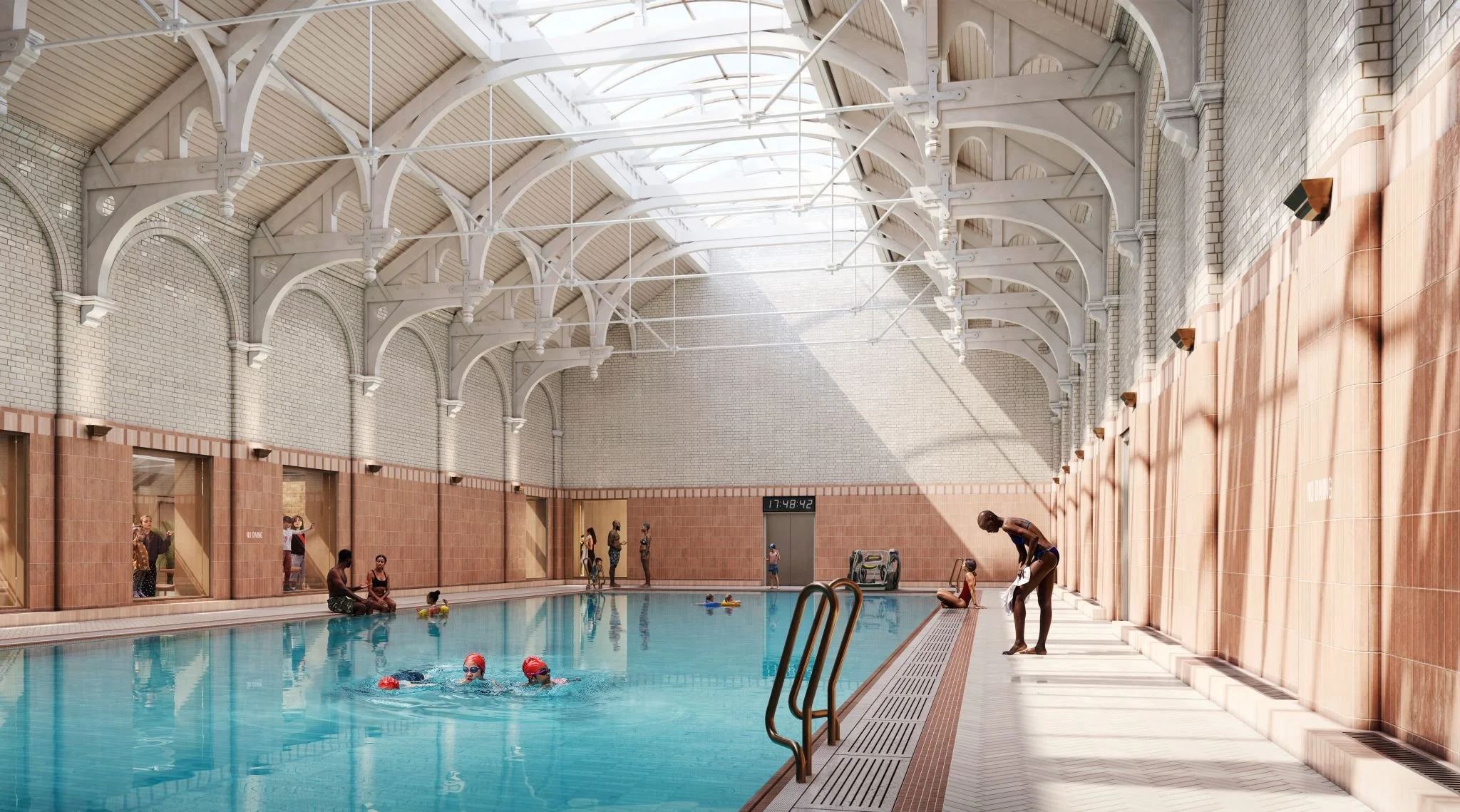
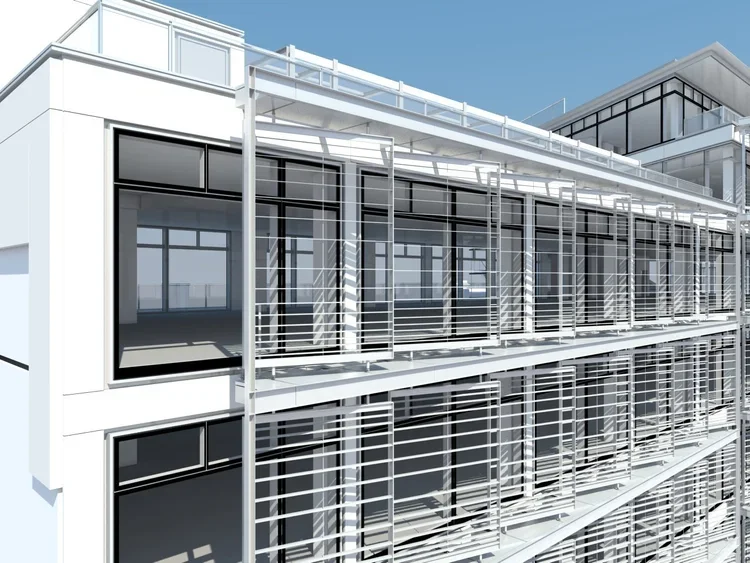
As built‑environment professionals, we carry a major responsibility and play a vital role in achieving net zero. Retaining existing buildings and places is the starting point, and we are firm advocates of the retrofit first approach. Where new buildings are necessary, the key is to make the expended carbon count by delivering high‑quality structures that elegantly and efficiently meet the client’s brief, while anticipating changing requirements to avoid future emissions from further intervention or demolition. We use a rigorous design approach to identify the most economical structural solution, considering whole‑life issues, because more time spent in the office getting the design right means less time, energy and waste on site getting it built.
We also collaborate with other consultants to minimise operational energy demands of the buildings and places we design. Incorporating new services or low‑carbon energy systems into existing or historic buildings can present particular challenges, but is essential as we work toward net‑zero emissions. Our heritage consultants work closely with the design team to establish the best method for integrating improved systems without compromising the building’s integrity, historic significance, or damaging historic fabric.
Avoid waste
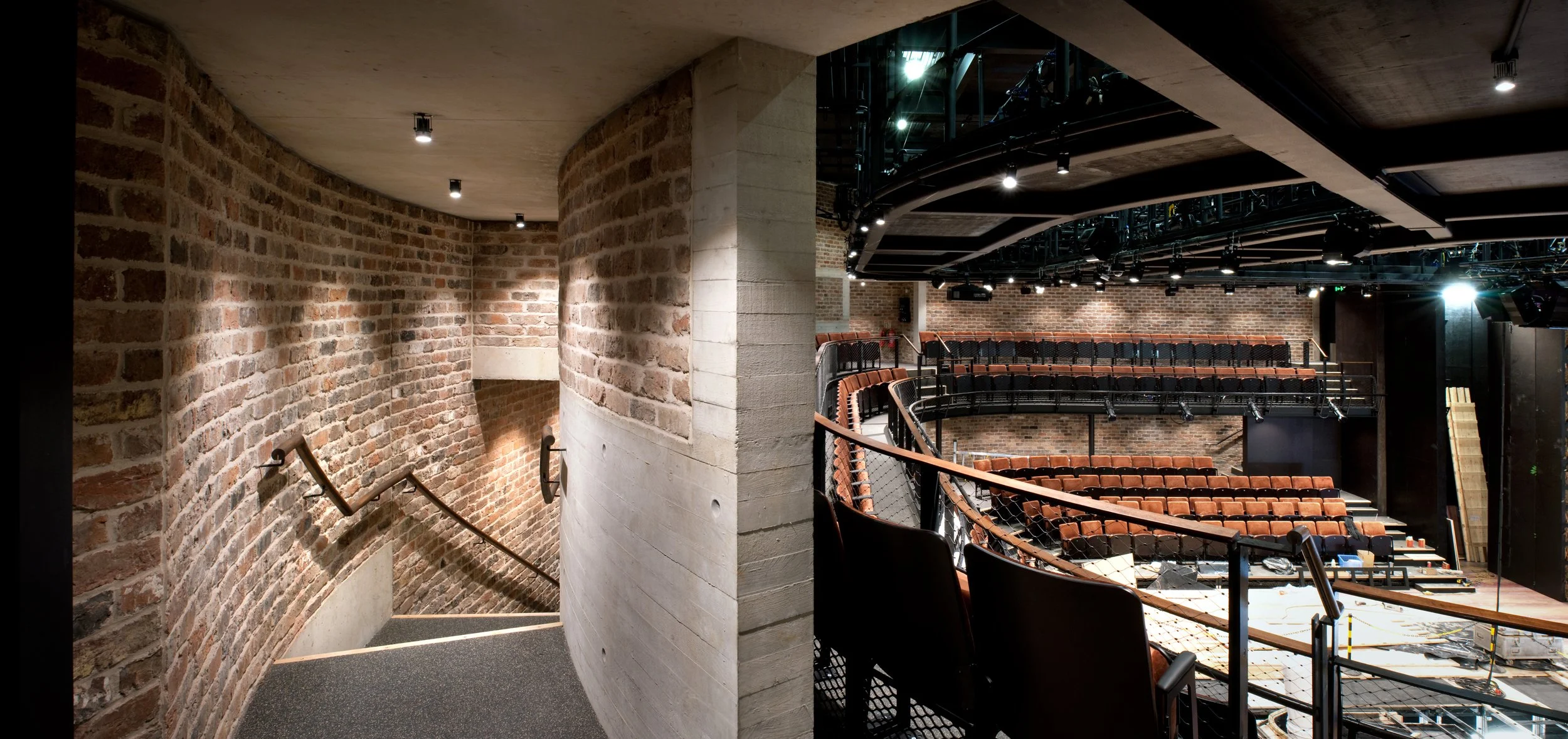
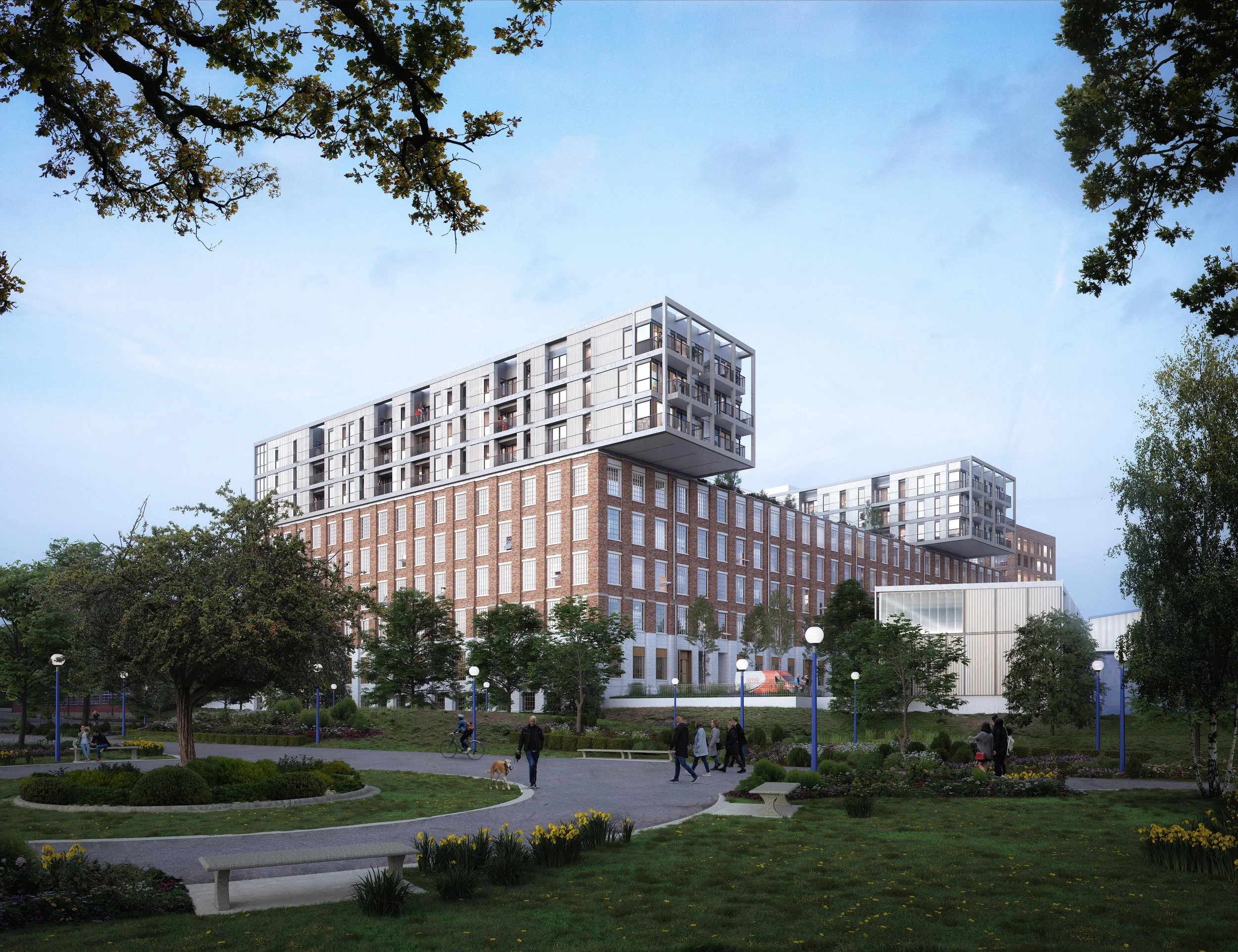
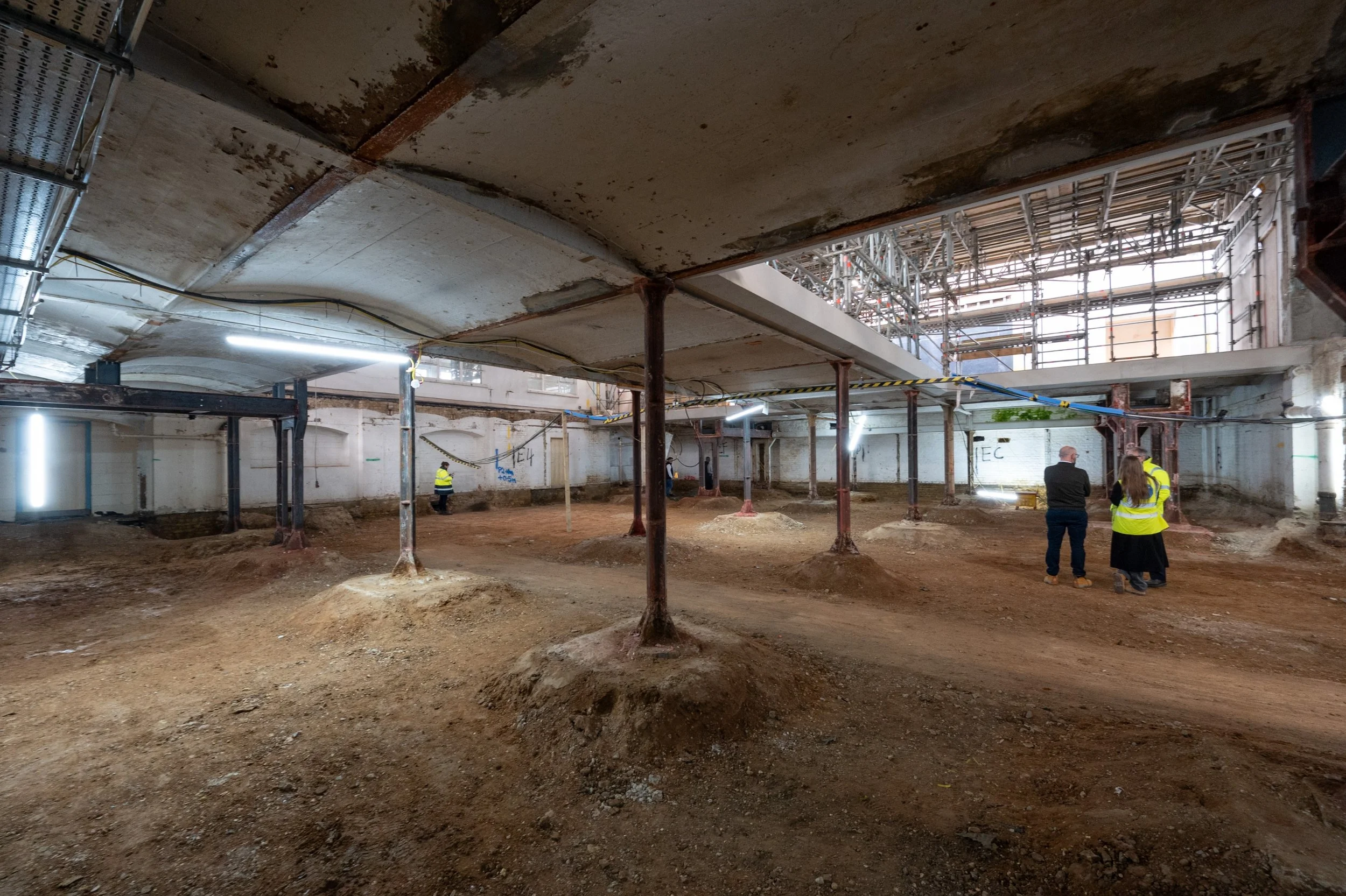
The greenest building is the one that already exists. Since the beginning of our practice, we have sensitively breathed new life into existing buildings and places, which is one of the fundamental strands of sustainability and conservation of our resources. Re-use should be the starting point for any project.
We consider buildings as ‘stores’ of materials and embodied carbon – valuable resources to be used and conserved - and we are members of The Engineers Reuse Collective, a not-for-profit group of practising engineers championing, accelerating and delivering reuse in the built environment. Our conservation specialists and urban designers also work closely with the design team to help shape schemes in a way that respects and retains existing historic fabric whilst upholding the ambitions of the design team.
Avoiding waste isn’t just about retaining existing fabric. It is also about removing construction waste through the intelligent design of new buildings, enhancing energy efficiency of new and existing buildings by collaborating with other design team members, and reducing end of life waste by design dismantable structures and specifying reusable and recyclable materials.
Conserve and regenerate nature
Biodiversity loss and pollution of air, water and soil erode life‑support systems—from clean air and water to fertile soil and stable climates—threatening public health, food production and economic resilience. We recognise the built environment’s impact on nature and work to deliver nature recovery through our designs and advice.
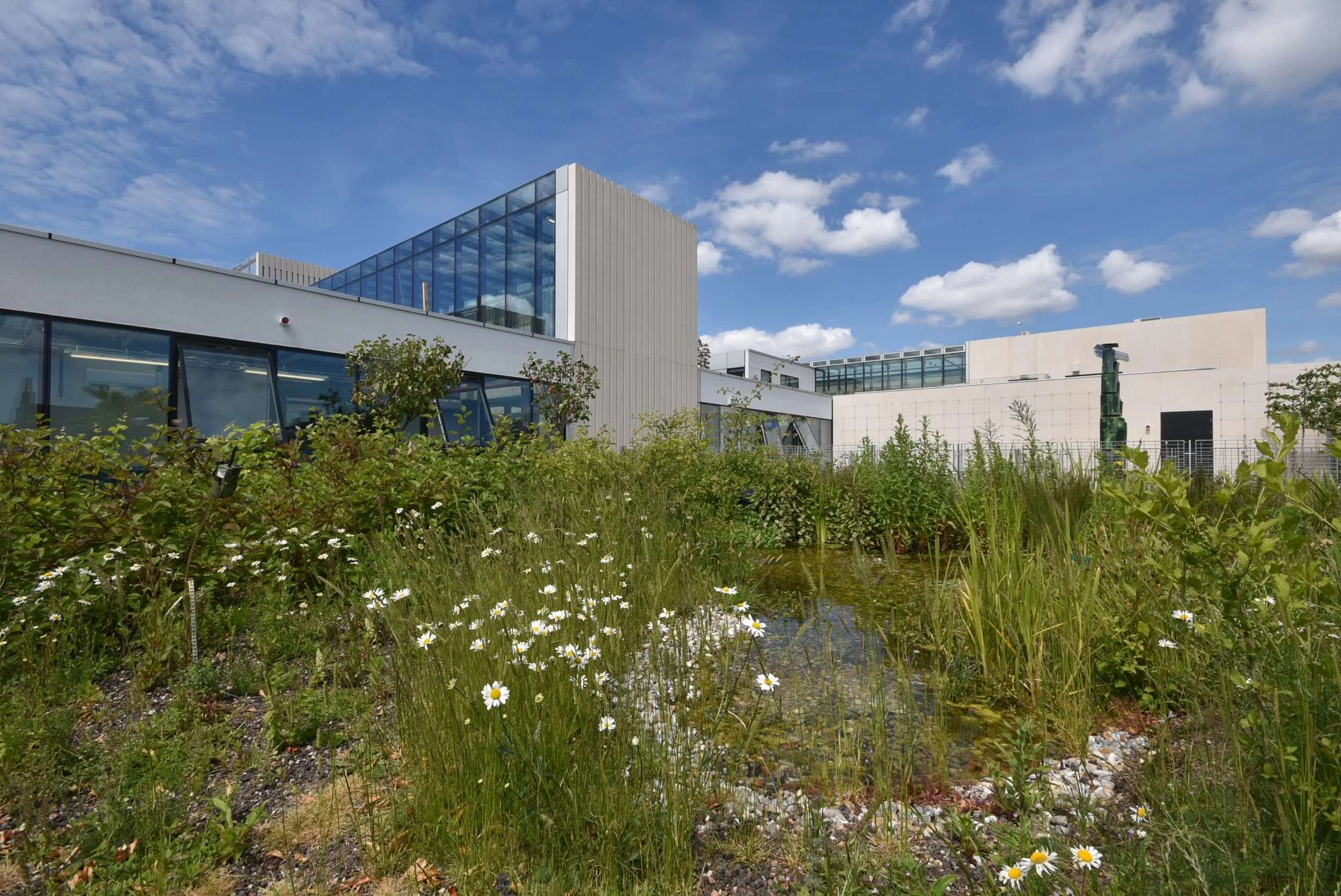
Retaining and enhancing on‑site natural capital is our starting point, particularly for our urban designers, who recognise the immense value of established ecosystems. We integrate sustainable drainage systems (SuDS) to boost climate resilience, biodiversity and habitat creation. Our engineers find ways to reduce construction disturbance through our technical designs and Construction Management Plans, such as by using buffer zones and reducing machinery footprints. Reducing our offsite impacts is equally important, and our sustainable procurement policy guides responsible material choices, including FSC‑certified timber.
Engage and advocate
We ensure that carbon reduction remains a central part of our design thinking throughout a project, placing great importance on engaging with colleagues and advocating for robust, truly sustainable design approaches. The vast knowledge we have amassed from nearly 50 years in practice is formalised within our suite of sustainability guidance documents:
Sustainability at Alan Baxter: Our Principles sets out the five key principles that guide all aspects of our professional work. It acts as a ‘quick start’ guide for all staff to understand the importance of sustainable design.
The Guide to Sustainable Design is a key document for our staff which, through clearly articulated illustrations and articles comprehensively sets out how to ensure best practice and achieve meaningful environmental impact on projects.
Our Concept Design Tool allows our engineers to evaluate carbon when developing design proposals for both new-build or refurbishment projects and all staff follow this process as standard.
The way we manage our business
Our approach to Sustainability begins within our office, which is a repurposed warehouse.
It is here that we have ensured our business operations remain as environmentally conscious and ambitious as possible.
We carefully track out annual carbon emissions and are taking significant steps to reduce them, aiming to become a net zero company by 2050 or sooner. Our latest Carbon Reduction Plan is available here.
We have an ISO 14001 accredited Environmental Management System, managed by our Sustainability Associate, which allows us to continuously monitor and improve our approach to sustainability across all aspects of our office operations.
Our studios
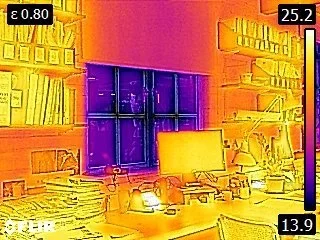
We refurbished our warehouse building in the 1990s and maximised the natural light entering the building to reduce the need for artificial lighting. It has never been air-conditioned and is ventilated passively, with staff reminded each summer how the building can be occupied passively to limit solar gain, without reliance on mechanical ventilation. We have switched to 100% renewable energy for our electricity demand, conscious of the significance of Scope 2 emissions in office environments. We are making further improvements to reduce our operation carbon and improve the efficiency of the building fabric.
We do not allow parking within our courtyard and all of our staff use public transport or cycle to travel to work, with space for cycle parking provided in our courtyard and the provision of a cycle-to-work scheme alongside free cycle mechanic workshops. For site meetings, we again promote the use of public transport and do not allow staff to take taxis.


Farm-to-table
We provide three catered lunches for staff per week. The meals are prepared from scratch by our in-house kitchen team who source ‘wonky’ fruit and vegetables rejected by supermarkets, whilst no plastic is used for any aspect of our lunches, with all kitchen items reusable. In September 2022 we established ‘meat-free Monday’ for our weekly lunches and highlighted to staff the environmental rationale for reducing meat consumption.


Homemade and handmade
We have an in-house workshop, so supplementary pieces of office furniture such as monitor stands are assembled from existing pieces of timber. This includes our desks, which are made from recycled fire doors. Our Procurement Policy helps us to establish that materials purchased in all aspects of our office operations are sourced ethically and the carbon footprint is considered.
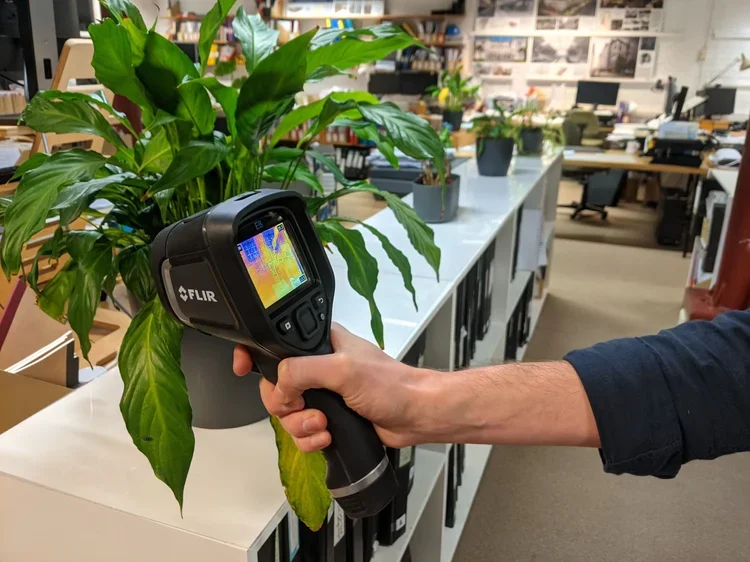
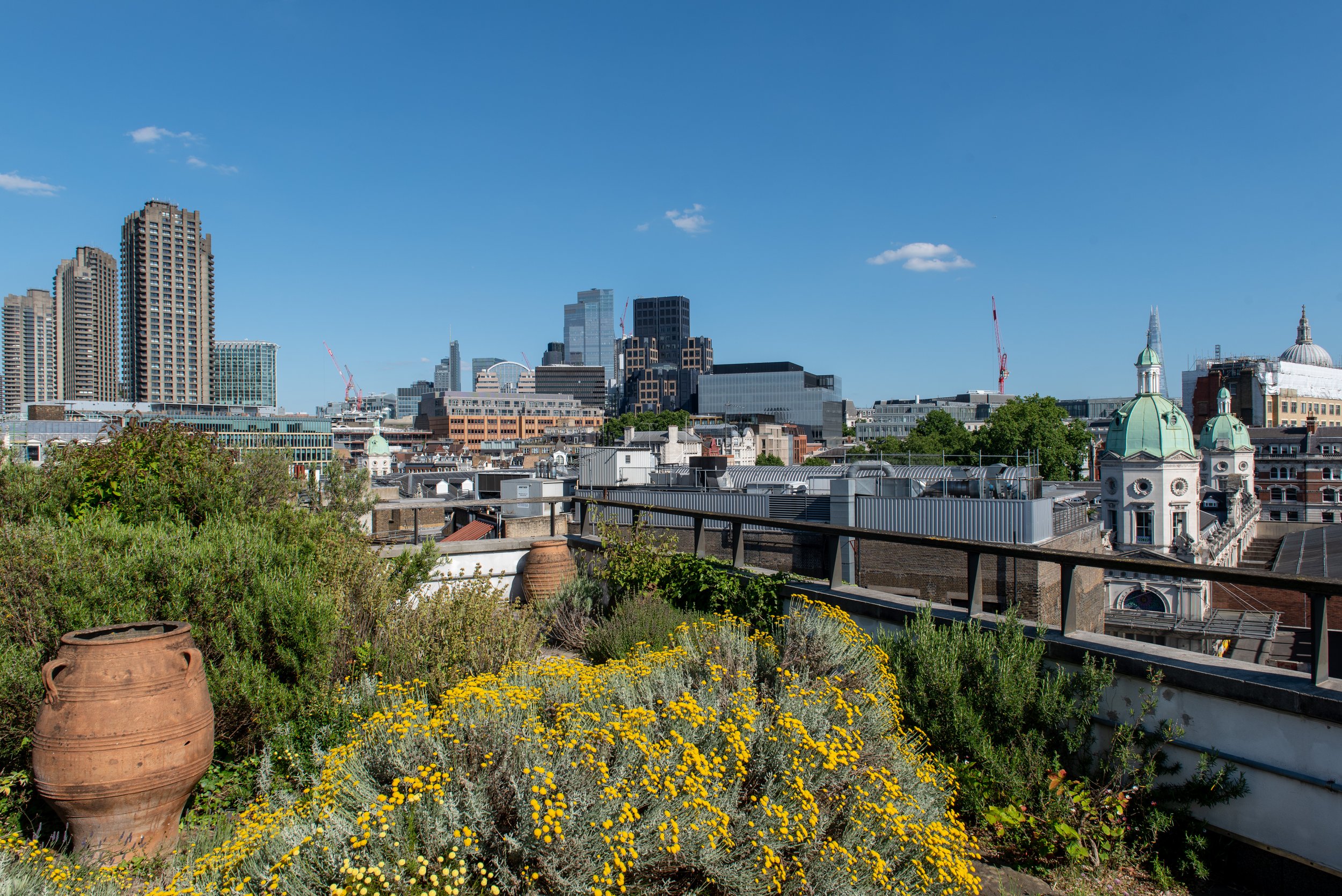
All our office paper is 100% recycled (including toilet paper) and we send our kitchen food waste to be composted off-site. In 2022 we removed personal desk bins from all staff to ensure all waste was processed through our main bins to ensure as much as possible could be recycled. We collect rainwater in water butts on the roof of our building which is used to water our office plants, which in turn help to clean the air within the building. We mediate the use of plastic for cleaning products by buying in bulk and procuring only products made in the UK that are not tested on animals.

Looking ahead
We know more must be done, and our Sustainability Associate is always looking at ways to improve office sustainability in a holistic manner. The Sustainability Associate challenges the way we work and leads the sustainable operation of the firm, as well as informing our environmental policies. This is then integrated with our culture and design principles, especially in regard to the reuse of complex, historical buildings.